As operating and energy costs rise and place margins under more pressure, SMEs are rightly exploring how green investments can improve efficiency, operating resilience and sustainability credentials. From electric vehicles to battery storage and solar panels, the number one barrier to investment often remains how to fund it.
It’s no surprise the purchase of green technologies is often sidelined by businesses, especially when one factor has historically limited the market, typically making upfront and borrowing costs higher - lenders have had relatively little visibility into how assets perform once they are deployed.
But with new asset performance tracking technologies now gaining ground in the market, that is changing, creating new opportunities for businesses and lenders and the journey to net zero.
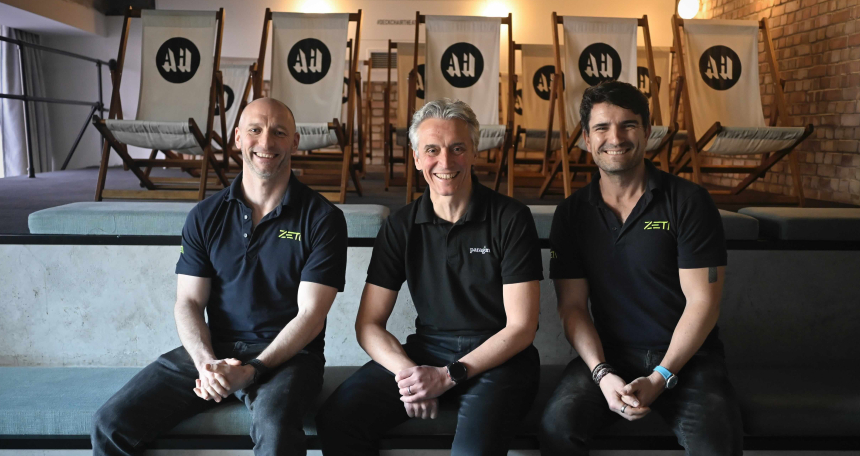
Earlier this year, Paragon expanded its partnership with fintech Zeti to delve deeper into how real-time asset data can support lending decisions. Through ZetiOS, a cloud-based platform that tracks asset performance, emissions and operational health, we are gaining much deeper insight into the equipment we fund.
Whereas traditional asset finance often relied on assumptions about how assets will perform over its lifetime, live data provides a clearer picture of actual usage and outcomes, giving lenders greater confidence when assessing risk and creating opportunities for more bespoke finance structures that better reflect real-world performance.
There’s a clear opportunity in this development. Better information means more informed conversations with customers about the commercial value of an investment and how it can be funded. Rather than focusing solely on upfront costs, discussions can draw on evidence of how an asset performs in practice over time.
We are already seeing the potential of this approach through our work with Otto Car, Europe's largest private hire fleet provider. Through the partnership between Paragon and Zeti, 75 low-emission vehicles have been funded, contributing to more than 410,000kg of CO₂ savings and delivering over 2.55 million zero or low-emission miles while avoiding the consumption of 175,000 litres of petrol.
This is just one example which demonstrates what’s possible when finance and technology work together to remove barriers to investment.
But while transport provides an early example, the opportunity extends much further. The same principles can be applied to a wide range of assets, including renewable energy technologies. As lenders gain access to richer information about asset performance, there is an opportunity to move beyond traditional assets and finance models and develop funding structures that better reflect how assets operate in the real world.
For businesses, that could help stimulate investment in a wider range of technologies that support productivity, resilience and sustainability. By combining specialist expertise with real-time asset data, lenders can help more businesses turn investment plans into action.
